Teeth Whitening in Danforth: How to Get a Brighter Smile Without Damaging Your Teeth
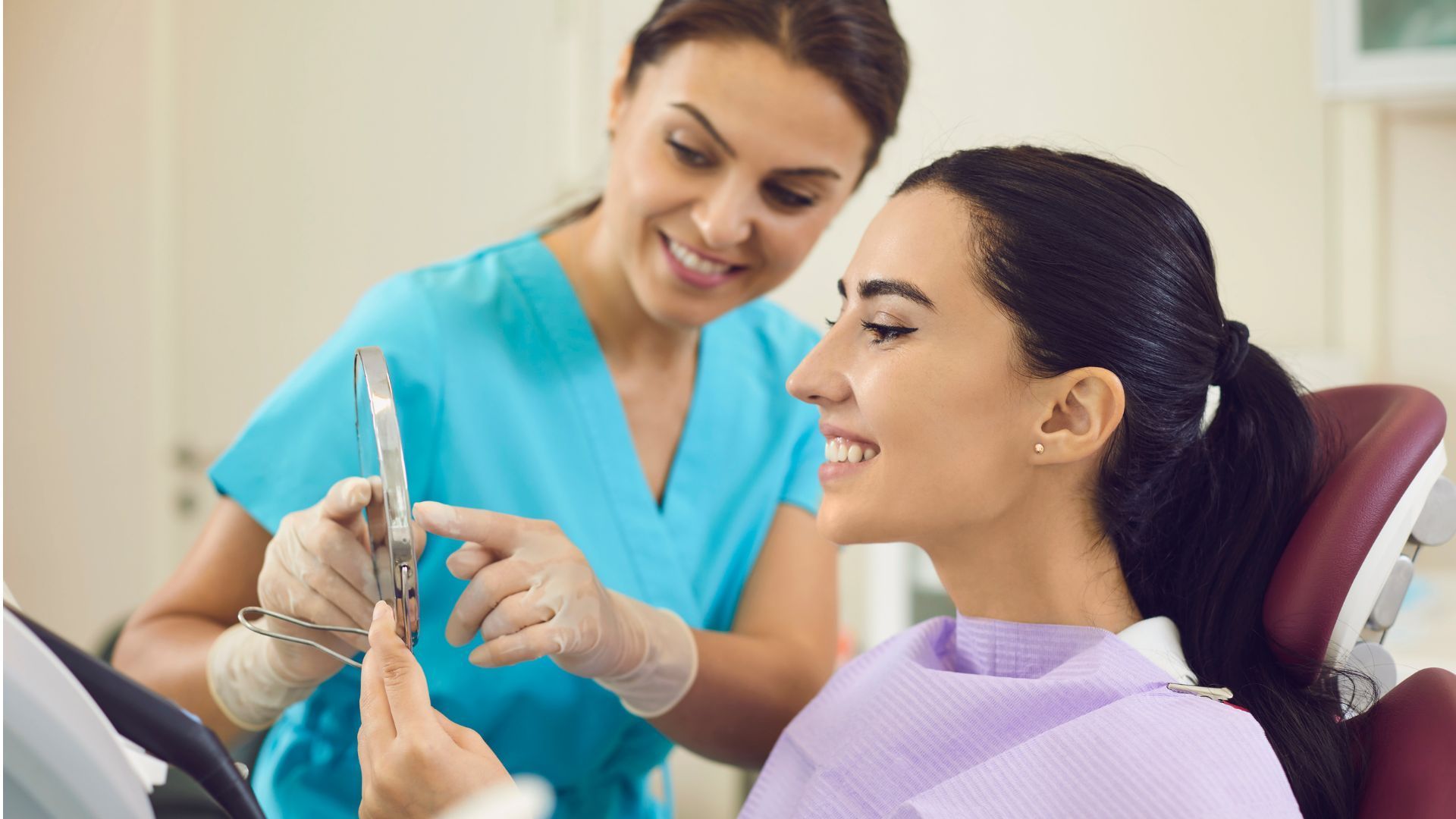
Achieve safe, effective teeth whitening in Danforth by opting for dentist-supervised treatments rather than abrasive over-the-counter methods. Professional options use chemically balanced bleaching gels alongside protective barriers to isolate gums, effectively lifting deep stains without eroding your protective tooth enamel or causing chronic dentin sensitivity.
Let's face it: we all want a bright, radiant smile that we can flash with absolute confidence. But if you have ever scrolled through social media or walked down a pharmacy aisle, you have probably been bombarded with countless trends promising overnight results. From charcoal pastes to intense-looking blue light kits, the sheer volume of choices is dizzying.
The catch? Trying to whiten your teeth without professional oversight often does more harm than good. Abrasive formulas and poorly fitting trays can leave you with painful, raw gums and stripped enamel, making eating a bowl of ice cream feel like an electric shock.
If you want a noticeably brighter smile, navigating your options safely is paramount. The secret is focusing on treatments that protect your structural enamel while lifting deep discoloration. Partnering with a dedicated clinic for your cosmetic dentistry needs ensures you receive custom-tailored care that respects your oral anatomy. Let's pull back the curtain on how to whiten your teeth effectively without risking permanent damage.
The Landscape of Teeth Whitening in Danforth: Professional vs. DIY
Not all whitening treatments are created equal. Understanding how different products lift stains can mean the difference between a healthy smile and long-term structural enamel damage.
Professional Dentist-Supervised Treatments
When it comes to high-impact teeth whitening, Danforth residents trust in-office clinical care and professional take-home kits. Why? These protocols use chemically stable, medical-grade hydrogen peroxide or carbamide peroxide formulations.
A licensed dentist carefully controls the concentration levels, matching the gel strength to your specific enamel thickness and sensitivity history. Professional treatment gives you two main pathways:
- In-Office Whitening: This is the absolute fastest route to dramatic results. In roughly an hour, your clinical team applies a specialized high-concentration whitening gel. They use precision barriers to completely isolate your gums, preventing chemical burns.
- Custom-Moulded Take-Home Trays: Your dental team takes physical or digital impressions of your teeth to fabricate custom plastic trays. These hold professional whitening gel flush against your teeth, keeping the formula away from sensitive oral tissues while you whiten comfortably at home over two weeks.
Over-the-Counter Pharmacy Alternatives
Walk into any pharmacy along the Danforth, and you will find shelves stocked with whitening strips, generic gels, and rinses. While these store-bought options are highly budget-friendly, they present clear limitations.
Because over-the-counter strips use a generic, one-size-fits-all design, the whitening active ingredients often spill onto your gums, causing chemical irritation and white patches on your soft tissues. On top of that, because the bleaching agents are legally required to be weak, they rarely lift deep, intrinsic stains.
The Hidden Risks of "Natural" Home Remedies
It is incredibly tempting to try whitening your teeth using common household pantry items, but DIY home remedies often cause irreversible harm.
- Baking Soda and Charcoal: These substances are highly abrasive. While they might shadow away very recent surface stains, they act like sandpaper on your teeth, slowly wearing down your smooth enamel layer over time. Once that enamel wears thin, the yellowish dentin underneath shows through, making your teeth look darker than before.
- Lemon Juice and Apple Cider Vinegar: Using raw acids to lift stains chemically dissolves your enamel matrix, leaving your teeth highly vulnerable to rapid decay and structural damage.
Evaluating the Clinical Safety and Common Side Effects
While teeth whitening is an incredibly common cosmetic procedure, it is still a chemical process that requires respect for your underlying dental biology.
| Potential Side Effect | Professional Mitigation Strategy |
|---|---|
| Acute Dentin Sensitivity | Pre-treatment desensitizing pastes & calibrated gels |
| Gum Tissue Chemical Irritation | Custom-moulded physical barriers and isolation dams |
| Uneven / Spotty Whitening | Detailed pre-treatment screening of restorations & existing dental work |
Managing Post-Treatment Tooth Sensitivity
The most common side effect of teeth whitening is temporary sensitivity to cold air or hot beverages. According to clinical consensus studies published by the American Dental Association (ADA), whitening gels temporarily open microscopic pores within your enamel matrix to reach deep internal stains. This allows thermal changes to reach your tooth's central nerve directly.
When you choose a clinical setting for your care, your dentist mitigates this by applying concentrated post-whitening fluoride treatments or specialized potassium nitrate desensitizing agents. This effectively blocks those nerve pathways, keeping you perfectly comfortable.
When You Should Delay or Avoid Whitening
Teeth whitening is a fantastic confidence booster, but it is not a universal solution for everyone. A reputable dentist will advise you to hold off or avoid cosmetic bleaching if you meet any of the following conditions:
- Active Cavities or Gum Disease: If whitening gel seeps into an open cavity or contacts inflamed gum tissue, it can cause severe internal nerve pain. All underlying restorative work must be completed first.
- Existing Crowns, Veneers, or White Fillings: Synthetic dental porcelain and composite resins do not react to whitening agents. If you whiten your teeth while having crowns in your smile zone, your natural teeth will brighten, while your dental work stays the same colour, creating an uneven look.
- Pregnancy and Breastfeeding: Because comprehensive clinical safety trials have not been conducted on expectant mothers, Canadian dental guidelines recommend postponing elective whitening treatments out of an abundance of caution.
The Step-by-Step Professional Whitening Process
Going the professional route means your care follows a strict, safe, and highly organized clinical protocol designed to yield the best possible outcome.
- Initial Evaluation & Shade Matching: Your dentist examines your teeth to confirm they are structurally sound. They then use a standardized physical shade guide to document your exact starting baseline, helping you select a realistic, natural-looking target shade.
- Isolating Soft Tissues: Your clinical team applies a specialized liquid dental dam or protective resin barrier directly along your gum line. This completely seals away your delicate soft tissues from the whitening gel.
- Applying the Whitening Gel: The professional-strength peroxide gel is evenly smoothed across the surface of your teeth. Depending on the specific system, the formula is left in place for a series of fifteen-minute intervals while the active oxygen molecules lift deep-set staining.
- Post-Treatment Maintenance Plan: Once the gel is rinsed away, your dental team walks you through a customized maintenance strategy to protect your investment and prevent premature regression.
Maintaining Your Brilliant Results Over Time
The longevity of your newly brightened smile depends heavily on the choices you make in the days and weeks after your treatment.
The "White Diet" Strategy
For the first 48 hours after a whitening procedure, your tooth enamel remains slightly porous, making it incredibly susceptible to rapid restaining. To protect your smile, adopt a temporary "white diet."
Avoid dark, heavily pigmented foods and beverages such as espresso, black tea, red wine, soy sauce, and dark berries. A great rule of thumb to follow is simple: if a food item would permanently stain a white cotton t-shirt, it will easily stain your newly whitened teeth. If you simply cannot start your morning without your iced coffee, try drinking it through a straw to bypass your front teeth entirely.
Daily At-Home Oral Care Routine
Long-term brightness relies on keeping surface plaque from building up. Commit to brushing your teeth thoroughly twice a day using a soft-bristled toothbrush and a non-abrasive, fluoride-enriched paste. Floss every single evening to remove stain-causing bacteria from the tight spaces between your teeth that your toothbrush bristles cannot reach.
Demystifying the Financial Costs of Teeth Whitening
Because teeth whitening is considered an elective cosmetic procedure, standard dental insurance policies do not cover the cost. However, investing in professional care avoids the hidden expenses of treating damaged enamel or burned gums caused by faulty DIY products.
In-office whitening sessions across the Greater Toronto Area typically require a higher upfront investment due to direct clinical supervision, immediate results, and advanced safety equipment. Custom take-home tray systems provided by a dentist offer a fantastic mid-tier price point, combining professional-strength results with long-term financial predictability since you can reuse the same custom trays for inexpensive touch-up sessions down the road.
About Dr. Andrew Syriopoulos & The DNDC Team
This educational guide was compiled and approved by Dr. Andrew Syriopoulos, Owner and Founder of the Danforth Neighbourhood Dental Centre (DNDC). Dr. Syriopoulos completed his Doctor of Dental Surgery (DDS) degree with a passion for delivering modern family, restorative, and advanced cosmetic dentistry to Toronto residents.
For over twenty years, Dr. Syriopoulos and his premier, multidisciplinary clinical team—which includes six family dentists, a periodontist, and a dedicated dental anesthetist—have proudly cared for families across the Danforth community from their centrally located practice at 643 Danforth Ave, Toronto, ON M4K 1R2. The DNDC team is widely recognized for their accommodating extended evening and Saturday hours, full multilingual patient communication, and comforting sedation options tailored specifically for individuals managing dental anxiety.
Ready to Safely Transform Your Smile?
The clinical team at Danforth Neighbourhood Dental Centre is ready to help you achieve a healthier, brilliantly bright smile without risking your enamel health. Whether you want to explore custom take-home whitening kits or schedule a comprehensive cosmetic consultation, we are here to guide you.
- Call Our Front Desk Today: (416) 466-8003
- Visit Our Practice: 643 Danforth Ave, Toronto, ON M4K 1R2
- Schedule Your Consultation Online: Click Here to Contact DNDC
Disclaimer: This content is for informational purposes only and is not a substitute for professional dental advice. Consult a licensed dentist for a personalized evaluation.

Recommended For You