Teeth Whitening for Sensitive Teeth: What Danforth Patients Should Know
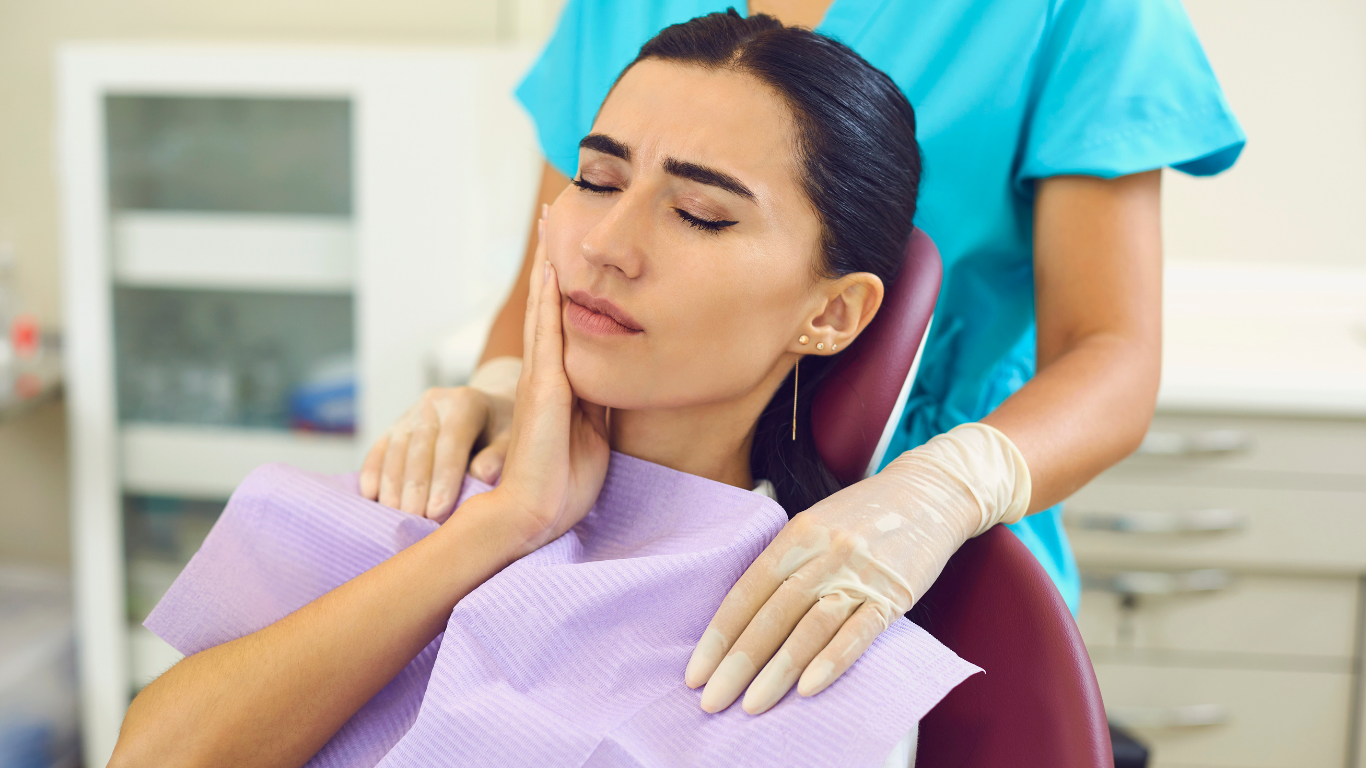
If your teeth are already sensitive to hot, cold, or sweet foods, the idea of teeth whitening probably comes with a specific worry: will this make it worse? Direct answer: yes, some temporary sensitivity during or after whitening is common, even in people without pre-existing sensitivity, but it's usually mild, resolves on its own, and can be reduced significantly with the right approach and professional guidance. Sensitive teeth aren't a reason to rule out whitening; they're a reason to do it carefully.
Quick answer: Whitening sensitivity happens because the bleaching agent temporarily reaches the tooth's nerve; it's usually short-lived, and a dentist-supervised approach with the right concentration and timing makes it manageable even for sensitive teeth.
Why Does Whitening Cause Sensitivity in the First Place?
When whitening products are used as directed, tooth sensitivity and soft-tissue irritation are the most common short-term effects, and they typically resolve on their own. This happens because the peroxide compounds that do the actual whitening hydrogen peroxide or carbamide peroxide can temporarily penetrate the tooth's enamel and dentin, reaching the nerve inside. That temporary access is exactly what triggers the sharp or achy feeling some people notice during or right after a whitening session.
It's worth knowing this sensitivity has a ceiling: tooth whitening products will only whiten natural teeth, not caps, crowns, veneers, fillings, or dentures. If you have existing dental work mixed in with natural teeth, expect uneven results and sensitivity limited to the natural teeth being treated.
Is In-Office Whitening Better Than At-Home Kits If You Have Sensitive Teeth?
For sensitive teeth specifically, professional supervision matters more than it might for someone without sensitivity. A dental professional can instruct you on take-home applications and act as a direct advisor if an adverse reaction occurs something an over-the-counter kit bought off a shelf simply can't offer.
- Custom trays fit your teeth precisely, limiting how much gel touches your gums and reducing irritation compared to one-size-fits-all strips.
- Concentration and timing can be adjusted for sensitive teeth specifically shorter sessions or a lower-strength formula, supervised by your dentist, often gets you most of the whitening effect with less discomfort.
- Your dentist can rule out other causes of sensitivity first. Sometimes what feels like "sensitive teeth" is actually a cavity, a cracked filling, or gum recession worth ruling out before you start a whitening plan.
How Can You Actually Reduce Sensitivity During Whitening?
A few adjustments make a real difference for people who already deal with sensitive teeth:
- Use a desensitizing toothpaste for 1–2 weeks before starting treatment to help build tolerance in the nerve.
- Shorten wear time per session rather than pushing through longer sessions; several shorter sessions often produce comparable results with less irritation.
- Take a break between sessions if sensitivity builds up, rather than whitening every single day.
- Avoid whitening right after other dental work like a cleaning or filling, when teeth may already be temporarily more sensitive.
If sensitivity or soft-tissue irritation persists, worsens, or you notice other side effects, stop using the product and talk to your dentist rather than pushing through it.
What to Expect for Results
Research shows the whitening effect from bleaching can last up to roughly three years, though this is affected by smoking and consumption of foods or drinks that stain teeth. How much whiter your teeth actually get depends on what caused the original discoloration in the first place; coffee and wine staining responds differently than the kind of yellowing that comes with age, for example.
Frequently Asked Questions
Is it safe to whiten my teeth if they're already sensitive?
In most cases, yes, with a dentist-supervised approach. A professional can adjust the concentration and timing to your comfort level and rule out other causes of sensitivity, like a cavity or gum recession, before you start.
How long does whitening sensitivity usually last?
For most people, sensitivity is temporary and resolves within a day or two after a session, or shortly after finishing a full whitening course. If it persists or worsens, stop and check in with your dentist.
Will whitening toothpaste help with sensitivity before I whiten professionally?
Using a desensitizing toothpaste for one to two weeks before starting a whitening treatment can help reduce discomfort during the process, though it's separate from and less potent than professional whitening.
Can teeth whitening damage my enamel?
Used as directed, whitening products don't damage enamel; the sensitivity people feel comes from the peroxide's temporary effect on the nerve, not enamel erosion. Overuse or misuse of at-home products increases risk, which is part of why professional guidance matters.
Will whitening work on a crown or filling on my front tooth?
No. Whitening products only lighten natural tooth enamel; crowns, veneers, fillings, and dentures won't change color. If you have visible dental work, talk to your dentist about how to keep your smile looking even.
How white will my teeth actually get?
Results vary depending on the cause of the discoloration and how your teeth naturally respond to bleaching. A consultation can give you a realistic idea of the results you can expect before you commit to a full whitening plan.
About the Practice and Your Dentist
Dr. Andrew Syriopoulos is the founder and owner of Danforth Neighbourhood Dental Centre, earning both his undergraduate and dental degrees from the University of Toronto. He has completed in-depth training in surgical and prosthodontic implant procedures, alongside ongoing training in cosmetic, restorative, and prosthetic dentistry, and has served as a clinical instructor at the University of Toronto. Dr. Syriopoulos has served for six years on the Ontario Dental Association's Board of Directors and as President of the Toronto East Dental Society, and grew up in the Danforth neighbourhood where his practice is located.
This article is for general informational purposes and is not a substitute for professional dental advice or an in-person exam. Talk with your dentist about whether whitening is right for your specific teeth.
Name: Dr. Andrew Syriopoulos
Owner & Founder, Cosmetic & General Dentistry, Danforth Neighbourhood Dental Centre
Bio: https://www.dndc.ca/andrew
Ready to Whiten Comfortably?
Sensitive teeth don't have to mean giving up on a brighter smile; they just mean doing it with the right guidance.
Learn more about teeth whitening at Danforth Neighborhood Dental
Center, or
book an appointment to discuss your options.

Recommended For You