How Soon Will I See Results From Teeth Whitening in Toronto?
Understanding the Timeline for a Brighter Smile

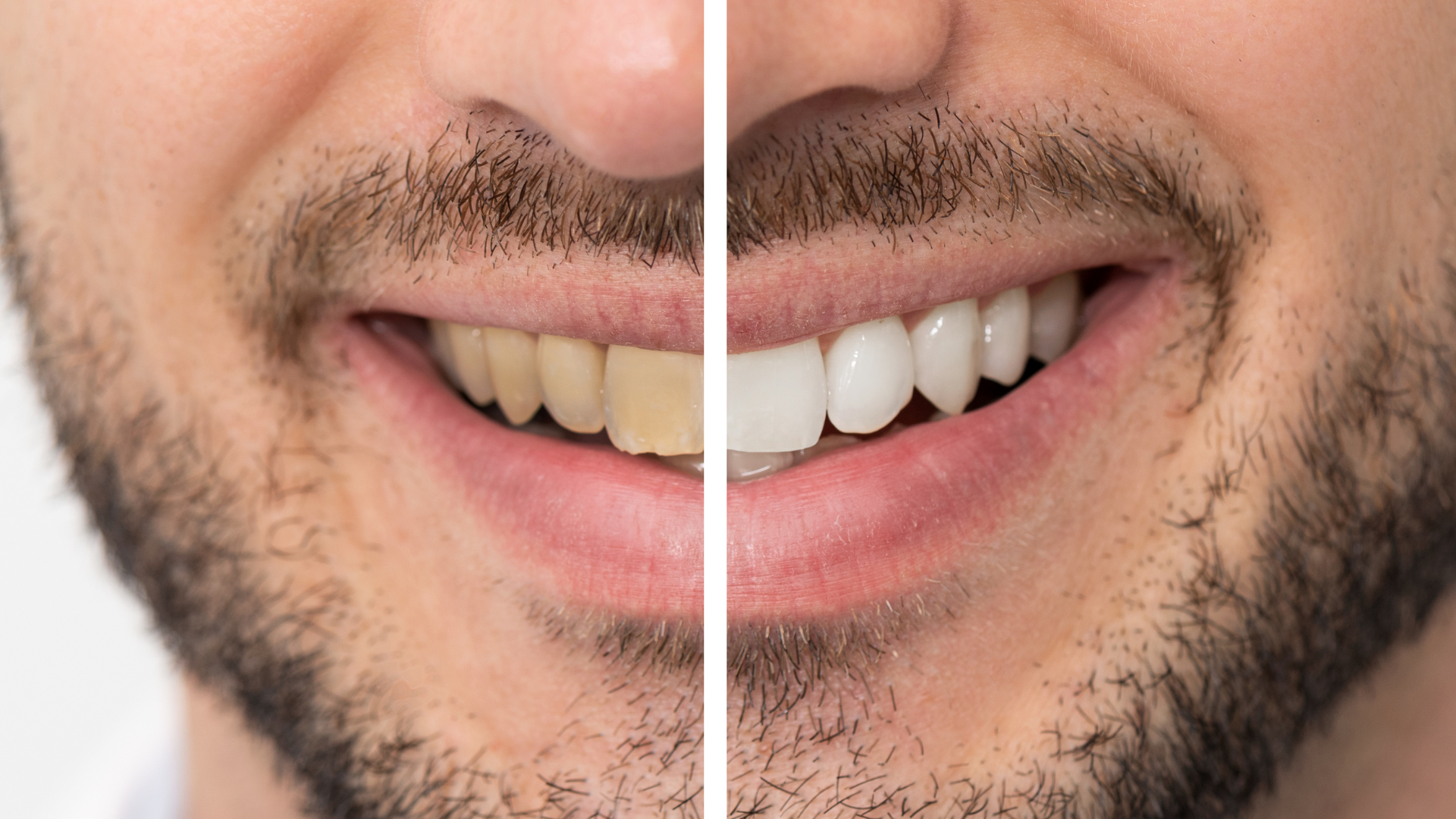
If you are considering teeth whitening, the first question on your mind is likely: "How long until I see a difference?" While it is a popular cosmetic treatment, there is no universal answer. Your individual results depend on the type of whitening you choose, the nature of your stains, and your unique tooth anatomy.


At Danforth Neighbourhood Dental Centre, we believe in setting realistic expectations so you can plan for your big event—or simply enjoy a daily boost in confidence.


Factors That Influence Whitening Speed

Several variables determine how quickly those "pearly whites" emerge. It isn't just about the product; it's about your biological starting point:


  • Treatment Type: Professional in-office treatments are designed for speed, whereas at-home kits prioritize gradual change.
  • Stain Severity: Years of coffee or tobacco use create deeper stains that require more time to lift than surface-level discoloration.
  • Natural Tooth Shade: Everyone’s enamel has a "ceiling." Teeth with yellow undertones often whiten faster than those with greyish hues.
  • Consistency: For those using our professional take-home kits, skipping days can significantly delay your final result.


The Power of Professional Teeth Whitening in Toronto

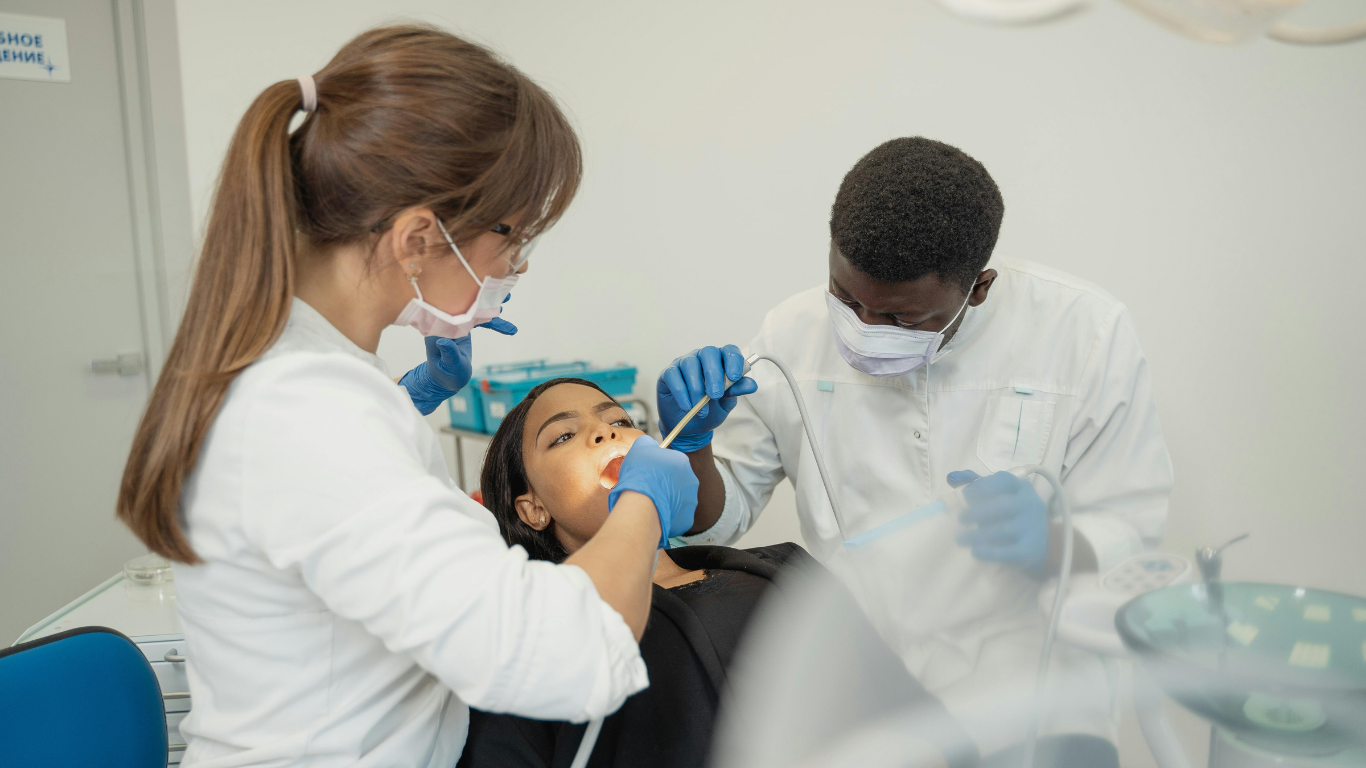
For patients seeking immediate results, professional treatment is the gold standard. When you visit our clinic on the Danforth, you benefit from clinical-grade whitening agents that are significantly more potent than over-the-counter options.


What to Expect After a Single Session

In many cases, you can walk out of a single appointment at DNDC with a smile that is several shades lighter.


  • In-Office Speed: We use specialized equipment and high-concentration gels to accelerate the oxygenation process. This is the ideal choice for "instant gratification" before a wedding or job interview.
  • Take-Home Professional Kits: We also offer custom-fitted trays. While these take 7 to 14 days to reach peak brightness, they provide a more controlled, long-lasting result than drugstore strips.


Patience for At-Home Whitening Regimens

If you choose a DIY or over-the-counter route, it is a marathon, not a sprint. Because these products use lower concentrations of peroxide (to ensure safety for unsupervised use), the changes are subtle at first.


  • Week 1: You may notice surface stains beginning to fade.
  • Weeks 2-4: This is typically when the more significant "brightening" becomes visible to others.


Note: Overusing at-home products to "rush" the process can lead to tooth sensitivity and enamel irritation. Always follow the prescribed timeline.


Maintaining Your Results: The "White Diet"

Once you’ve achieved your desired shade, the longevity of your result depends on your lifestyle. To keep your smile radiant after your visit to a dentist on the Danforth, consider these tips:


  1. The 48-Hour Rule: Avoid highly pigmented foods (red wine, coffee, dark berries, beets) for at least 48 hours after treatment.
  2. Rinse After Eating: If you can’t give up your morning coffee, rinse with water immediately after drinking to prevent new stains from settling.
  3. Routine Hygiene: Regular professional cleanings at our office remove "extrinsic" stains before they become permanent.


Achieving Your Optimal Smile at DNDC

Every smile is different, which is why a personalized consultation is essential. Our team, led by Dr. Andrew Syriopoulos, assesses your dental health to ensure whitening is safe for you—especially if you have existing crowns or veneers, which do not change colour with whitening treatments.


Beyond Whitening: The Transformative Power of a Smile Makeover

While professional whitening offers a significant boost, some patients seek a more comprehensive change. This is where the artistry of a Smile Makeover comes into play. A smile is more than just a matter of dental aesthetics; it is a universal language of confidence. For those who feel held back by chips, gaps, or misalignment, a makeover can be a life-changing investment.


What is a Smile Makeover?

At Danforth Neighbourhood Dental Centre, a smile makeover is a bespoke, multi-step process tailored to your unique facial symmetry and goals. By combining various treatments, such as porcelain veneers, clear aligners, dental implants, and professional whitening, Dr. Syriopoulos and our team can rebuild a smile that looks as natural as it does radiant.


The Multifaceted Benefits of a Total Transformation

Choosing a comprehensive makeover offers benefits that go far beyond the surface:


  • Boosted Self-Esteem: When you are proud of your smile, it changes how you carry yourself. This newfound confidence often ripples into your professional and personal interactions.
  • Improved Dental Health: Form and function go hand in hand. Straighter, well-spaced teeth are significantly easier to clean, reducing the long-term risk of periodontal disease.
  • Enhanced Facial Aesthetics: A makeover can actually restore balance to your face, often providing a more youthful and vibrant appearance by supporting the lip and cheek structure.
  • Optimal Functionality: We don't just focus on looks; we ensure your bite is aligned. This optimizes essential functions, such as chewing and speaking, thereby preventing future jaw discomfort.
  • Long-Lasting Results: Thanks to modern materials like high-grade porcelain and durable resins, your investment is designed to provide a stunning smile for years to come.


Your Journey Toward a Better Self

A smile makeover at our Toronto clinic is an investment in your well-being. Every time you look in the mirror, you should see a reflection that fills you with pride. Whether it begins with a simple whitening session or a comprehensive restorative plan, we are committed to making that transformation comfortable and accessible.


When to Seek Professional Guidance

If you have stubborn discoloration (such as greyish tones from past medications like tetracycline) that isn't responding to at-home kits, it’s time to see a specialist. We can explore advanced options, including veneers or bonding, if traditional whitening isn't the right fit for your goals.


Ready to Brighten Your Smile?

Don't settle for "wait and see" when it comes to your confidence. Whether you're looking for a dramatic transformation in one hour or a professional kit to use at home, Danforth Neighbourhood Dental Centre is here to help.


Book Your Whitening Consultation Today or call us at (416) 466-8003 to find out which treatment is right for your timeline.

A logo for danforth neighbourhood dental centre

Disclaimer: This information is for general educational purposes only and is not a substitute for professional dental advice. Services, pricing, and insurance coverage (including CDCP eligibility) may vary. Please consult a licensed dental professional to confirm what is right for you. Reading this content does not create a dentist–patient relationship.


BOOK APPOINTMENT

Recommended For You

August 27, 2026
If you’ve knocked out a tooth, pick it up by the crown, place it back in the socket or store it in milk, and see an emergency dentist within 30 to 60 minutes. For a severe toothache, call an emergency dentist the same day, but go to a Toronto ER if you have facial swelling, fever, or trouble breathing. Quick answer: A knocked-out tooth is a race against the clock: keep it moist and get to an emergency dentist fast. A toothache with swelling, fever, or breathing trouble isn’t a dental problem anymore; that’s an ER visit. Key Takeaways A knocked-out permanent tooth has the best odds of being saved if it’s back in the socket within 30 minutes , and the tooth must never dry out. Store a tooth you can’t reinsert in cold milk or saliva , never tap water. Never put a knocked-out baby tooth back in: call your dentist instead. Most toothaches need an emergency dentist , not the ER. But facial swelling, fever, or trouble breathing or swallowing means go to the hospital now . An ER can manage pain and dangerous infection, but it can’t fix the tooth: you’ll still need a dentist. When your day turns into a dental emergency It usually happens at the worst possible moment. A puck to the mouth at a rec-league game in Scarborough. A faceplant off a bike on the Don Valley trail. A molar that's been grumbling for a week suddenly screaming at 2 a.m. on a Saturday. One second you're fine; the next you're bleeding, panicking, and wondering whether this is a "call the dentist Monday" problem or a "get in the car now" problem. Take a breath. Most dental emergencies are manageable if you act quickly and know the right moves. This guide walks you through the two most common ones (a knocked-out tooth and a severe toothache) plus the warning signs that mean skip the dentist and go straight to a hospital. If you’re in pain right now and need to be seen today, our emergency dental services page explains how to reach us fast. A quick note: the steps below are general first-aid guidance, not a substitute for hands-on care. When in doubt, call an emergency dentist or 911. Knocked-out tooth: what to do in the first 30 minutes A fully knocked-out permanent tooth (dentists call it an avulsed tooth ) is one of the few dental problems where the clock genuinely decides the outcome. The living cells on the root start to die within about 15 to 60 minutes out of the socket. Move fast and follow these steps in order: Find the tooth and pick it up by the crown , the white chewing part. Never touch the root. Those root-surface cells are what let the tooth reattach, and handling them damages your chances. Rinse it gently, for no more than 10 seconds , only if it's dirty. Use milk or saline if you have it, cold water if you don't. Don't scrub it, don't use soap or mouthwash, and don't dry it off with a cloth or tissue. Put it back in the socket if you can. Line it up the right way, press it in gently with your fingers, and bite down softly on a clean piece of gauze to hold it there. This gives the tooth its best possible chance. If you can’t reinsert it, keep it moist. Drop it in a small container of cold milk , or tuck it inside your cheek (only if you’re sure you won’t swallow it). A tooth-preservation kit with Hanks solution is ideal if one’s on hand. Never store a tooth in tap water : plain water destroys the root cells within about an hour. Get to an emergency dentist within 30 to 60 minutes. Call ahead so they're ready for you. If you can't reach a dentist, go to the nearest hospital emergency room. One important exception: if it's a baby tooth, don't put it back in. Forcing a primary tooth into the socket can damage the permanent tooth developing underneath. Control the bleeding with gauze and call your dentist for guidance. Once you’re in the chair, the dentist will typically clean the socket, reposition the tooth, and splint it to the neighbouring teeth for a week or two. A root canal often follows a week or so later to keep the tooth from becoming infected. That’s a normal part of the protocol, not a sign something went wrong. Severe toothache: how to cope until you're seen Not every toothache is a middle-of-the-night crisis, but a severe one is your body waving a red flag. Pain that throbs, keeps you up, or doesn't ease with over-the-counter medication usually points to decay, a crack, or an infection that won't fix itself. Book a same-day emergency dentist. While you wait, a few things can take the edge off: Rinse with warm salt water (a teaspoon of salt in a cup of warm water) to clean the area and calm irritation. Hold a cold compress against the outside of your cheek for pain and swelling. Don’t apply heat to any facial swelling: warmth can help an infection spread. Take an over-the-counter pain reliever like ibuprofen or acetaminophen, following the label. Never place a painkiller tablet directly against the gum: it can burn the tissue. Floss gently around the sore tooth in case food is trapped, but stop if it hurts. These are stopgaps, not cures. A toothache that's bad enough to search "emergency dentist Toronto" at midnight needs a professional to find and treat the source. The red flags: when to go to a Toronto ER instead Here’s the line that matters most. A toothache is a dental problem until it becomes a medical one. Swelling means an infection has moved beyond the tooth, and a dental infection that spreads can become life-threatening. Go to the nearest emergency room, or call 911, right away if tooth pain comes with any of these: Trouble breathing or swallowing : this can mean the swelling is affecting your airway. Rapidly spreading facial swelling , especially toward your eye or down into your neck. A high fever alongside the swelling or pain. Uncontrolled bleeding that won't slow with 10 to 15 minutes of gentle pressure. Facial trauma or a possible broken jaw. Feeling severely unwell, confused, or drowsy. Toronto’s hospital ERs are open around the clock and can manage dangerous swelling, give IV antibiotics, and control pain. What they generally can’t do is the dental work itself: the root canal, the extraction, the reimplant. So for the tooth, you’ll still need a dentist afterward. That’s exactly why, for problems without those danger signs, calling an emergency dentist directly is faster, cheaper, and more likely to actually solve the problem. Other emergencies worth a same-day call A knocked-out tooth and a raging toothache aren't the only reasons to pick up the phone. A cracked or broken tooth with pain, a loose or pushed-out tooth , a lost filling or crown that leaves a sharp or aching tooth, or a dental abscess (a pimple-like bump on the gum, often with a bad taste) all warrant prompt attention. Rinse with warm water, use a cold compress for swelling, save any pieces you can, and call your dentist the same day. What about cost and coverage? Emergency fees vary by what’s needed, so ask for an estimate when you call: a good office will give you one. If you’re covered by the Canadian Dental Care Plan , which is now open to eligible Canadian residents of all ages without private insurance, confirm the practice participates before your visit, since not every office bills the plan. Don’t let cost worries stop you from being seen: a small problem caught tonight is almost always cheaper than the emergency it becomes next week.
Smiling woman with shoulder-length dark hair in a teal top, standing against a bright blurred background
August 26, 2026
New to the Danforth? Here’s a practical, no-nonsense guide to finding a trustworthy dentist in Toronto’s east end, from checking Ontario licensing to insurance, the CDCP, and what a good first visit feels like.
Dentist in white coat and blue gloves holding a tooth model and dental tool on a blue background
June 25, 2026
Facing a dental crisis? Learn what qualifies as a dental emergency and how to find an emergency dentist in Danforth for fast, trusted relief.
More Posts