Transform Your Smile on the Danforth: The Ultimate Guide to Cosmetic Dentistry
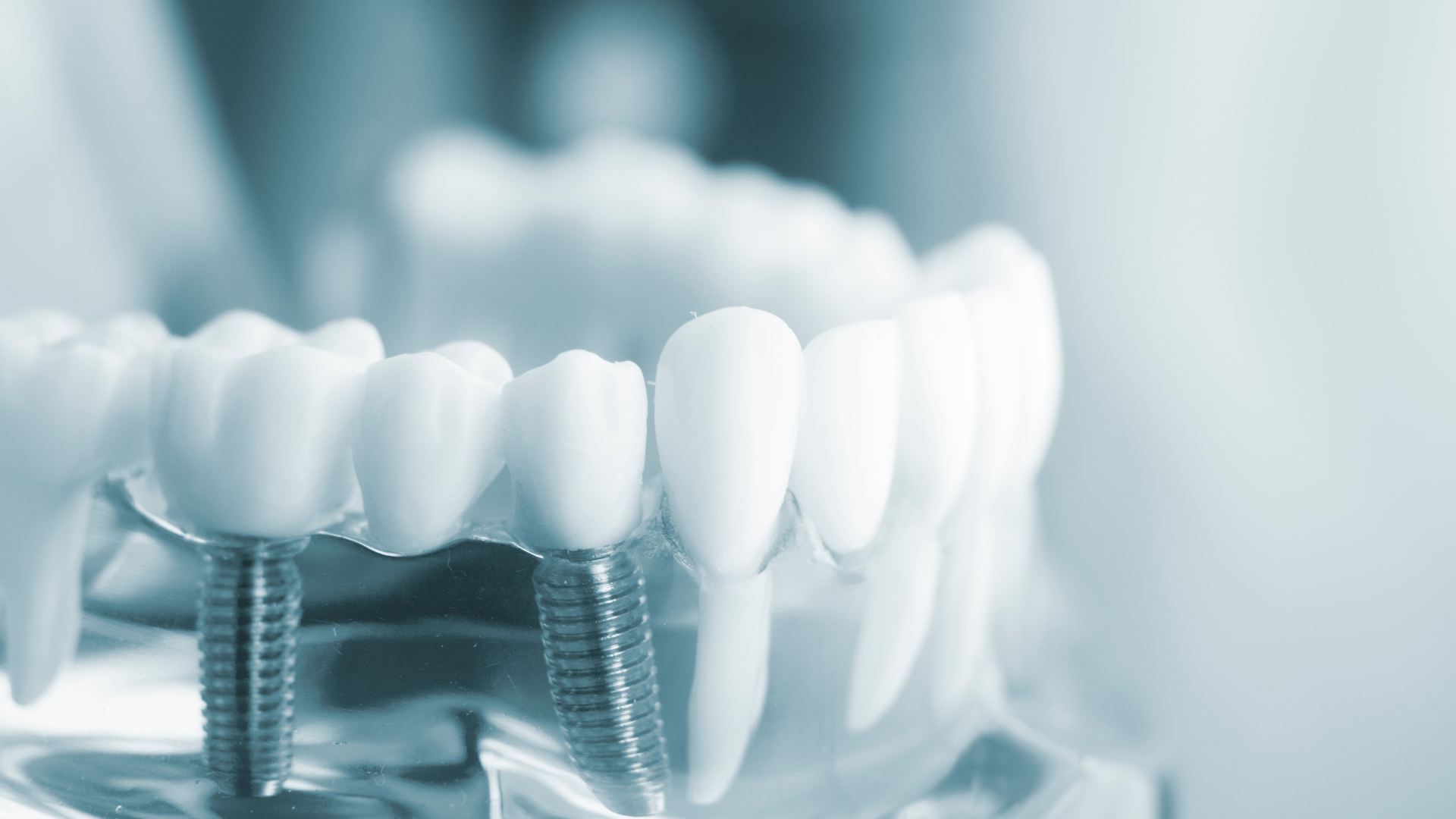
Exploring Cosmetic Dentistry Options on the Danforth
Teeth Whitening Services
Teeth whitening is a popular cosmetic dentistry service on the Danforth, offering a quick and effective way to brighten your smile. While primarily an adult-oriented treatment, it's essential to consider the entire family's dental health. Children's dentistry also plays a crucial role in establishing a foundation for a lifetime of healthy smiles.
Teeth whitening can significantly enhance the aesthetic appeal of your teeth, removing stains caused by coffee, tea, red wine, and certain medications.
Although teeth whitening is a straightforward procedure, it's important to choose a provider that tailors their services to your specific needs. Here's what you might expect:
- A pre-whitening dental assessment
- Selection of the appropriate whitening method
- A clear explanation of the procedure and expected outcomes
Remember, maintaining the results of teeth whitening involves good oral hygiene practices and regular dental check-ups, including visits to a children's dentistry specialist to ensure the whole family's dental health is in check.
Porcelain Veneers and Composite Bonding
Porcelain veneers and composite bonding are two popular cosmetic dentistry treatments that can transform your smile with a natural look and feel. Veneers are thin shells designed to cover the front surface of teeth, providing a new facade that hides imperfections such as chips, stains, or gaps. Composite bonding, on the other hand, uses a tooth-colored resin to repair and improve the appearance of damaged or discolored teeth.
Both treatments are customized to match the color and contour of your natural teeth, ensuring a seamless integration into your smile.
The choice between veneers and bonding will depend on several factors:
- The extent of tooth damage or discoloration
- The desired longevity of the treatment
- Personal budget considerations
While veneers are typically more durable and stain-resistant, composite bonding is a less invasive and more cost-effective option. It's essential to discuss your goals and expectations with your dentist to determine the best solution for your smile transformation.
Invisalign and Orthodontic Treatments
Achieving a straighter smile is no longer limited to traditional metal braces. Invisalign offers a discreet and comfortable alternative, using clear aligners tailored to your dental structure. This innovative treatment is suitable for both adults and teens, addressing a variety of alignment issues.
- Initial Evaluation: A dentist will assess your teeth and discuss the potential for Invisalign treatment.
- Custom Aligners: You'll receive a series of custom-made aligners to wear.
- Regular Check-ups: Periodic appointments ensure your treatment is progressing as planned.
The convenience of Invisalign lies in its removability, allowing for easier eating and oral hygiene compared to traditional braces. It's important to wear the aligners for the recommended 20-22 hours a day to achieve the best results.
Orthodontic treatments cater to diverse needs and preferences, with options ranging from lingual braces to ceramic brackets. Each method comes with its own set of benefits and considerations, which a skilled cosmetic dentist can help navigate.
The Journey to a Perfect Smile: What to Expect
Initial Consultation and Smile Assessment
The first step towards your new smile begins with an initial consultation and smile assessment. During this visit, your cosmetic dentist will discuss your aesthetic goals and evaluate your oral health. A thorough assessment is crucial to determine the most suitable cosmetic treatments for your unique needs.
- Review of dental and medical history
- Examination of teeth, gums, and bite
- Discussion of aesthetic concerns and desires
- Imaging and impressions as needed
This session is an opportunity to establish a rapport with your dentist and ensure that your questions and concerns are addressed. It sets the foundation for a personalized treatment plan tailored to enhance your smile.
Understanding the condition of your oral health and the possibilities for improvement will help you make informed decisions. Your dentist Danforth will also provide an overview of potential treatments, their benefits, and any risks involved. This collaborative approach ensures that you are an active participant in your smile transformation journey.
Customized Treatment Planning
Every smile is unique, and so is the path to achieving your ideal aesthetic. Customized treatment planning is a critical step in the cosmetic dentistry journey, ensuring that each procedure is tailored to meet your specific needs and goals. During this phase, your dentist will work closely with you to design a treatment plan that not only improves the appearance of your smile but also maintains oral health and functionality.
- Assessment of dental health and aesthetic desires
- Discussion of treatment options and expected outcomes
- Determination of the timeline and sequence of procedures
The success of cosmetic dental treatments lies in meticulous planning and a clear understanding of the desired results. This collaborative process allows for adjustments and refinements, ensuring that the final plan aligns with your vision for your smile.
Financial considerations and scheduling are also addressed during this stage, providing a comprehensive overview of what to expect throughout your cosmetic dentistry experience. It's a time for asking questions and expressing any concerns, so you can move forward with confidence and excitement towards your transformed smile.
The Procedure Process
Once you and your cosmetic dentist have agreed upon the ideal treatment plan, the next step is the procedure process. This phase is where your transformation truly begins. Each treatment will have its specific procedural steps, but most will follow a similar pathway from preparation to completion.
- Preparation: This may involve cleaning, taking impressions, or preparing the teeth for veneers.
- Treatment: The actual procedure, whether it's applying whitening agents or placing orthodontic devices.
- Finishing Touches: Polishing, adjustments, and any final modifications to ensure the perfect fit and look.
The success of your cosmetic dental procedure not only depends on the skill of the dentist but also on the quality of care you receive during the process. It's essential to follow all post-procedure instructions to ensure the best possible outcome.
Remember, some treatments may require multiple visits or a period of adjustment. It's important to have realistic expectations and to communicate openly with your dental team throughout the process.
Aftercare and Maintenance
Achieving your dream smile with cosmetic dentistry is just the beginning. Proper aftercare and maintenance are crucial for sustaining the results long-term. Here are some general guidelines to follow post-treatment:
- Regular brushing and flossing to maintain oral hygiene
- Avoiding foods and beverages that can stain or damage your dental work
- Scheduling regular dental check-ups and cleanings
It's important to remember that each cosmetic dental procedure may come with its own specific aftercare instructions. For instance, veneers might require avoidance of hard foods to prevent chipping, while teeth whitening could necessitate abstaining from coffee or red wine to maintain brightness.
Consistent follow-up care not only preserves the aesthetic appeal but also contributes to overall dental health.
Lastly, don't hesitate to reach out to your dentist if you experience any discomfort or issues with your cosmetic dental work. They can provide you with the best advice and treatments to keep your smile looking its best.
Choosing the Right Cosmetic Dentist on the Danforth
Credentials and Experience
Selecting a cosmetic dentist with the right credentials and experience is crucial for ensuring high-quality results. Look for professionals who are accredited by reputable dental associations and who have specialized training in cosmetic procedures.
Experience is just as important as formal qualifications. Dentists who have been practicing cosmetic dentistry for several years are likely to have honed their skills and developed a keen eye for aesthetics.
When it comes to transforming your smile, the expertise of your dentist is paramount. Their mastery can make the difference between a good and a great outcome.
Here's a quick checklist to help you evaluate a dentist's credentials and experience:
- Membership in professional dental organizations
- Continuing education in cosmetic dentistry
- Years of experience in the field
- Specialized training or certifications
- A track record of successful cosmetic procedures
Patient Reviews and Testimonials
When considering cosmetic dentistry Toronto, patient reviews and testimonials offer invaluable insights into the experiences of others. Danforth Neighbourhood Dental Centre prides itself on a sterling reputation, reflected in the positive feedback from patients who have transformed their smiles.
The voices of our patients are a testament to the quality of care and service we provide. Their stories of regained confidence and satisfaction are what drive us to continue delivering exceptional cosmetic dental services.
- Satisfaction with the aesthetic results
- Comfort during procedures
- Professionalism and friendliness of staff
- Follow-up care and support
For those facing a dental emergency, the clinic also operates as a dental emergency clinic Toronto, ensuring that immediate care is available when needed. It's not just about the cosmetic outcomes; it's about the peace of mind knowing that your dental health is in capable hands.
Before and After Gallery
A Before and After Gallery is a visual testament to a dentist's skill and the effectiveness of cosmetic dental procedures. It provides prospective patients with tangible evidence of potential outcomes. By examining these galleries, you can gauge the level of transformation that the dentist has achieved for other patients.
- Look for diversity in the cases presented.
- Assess the quality of the results.
- Consider the complexity of cases the dentist has handled.
The gallery should showcase the best work but also reflect a range of different cases, indicating the dentist's versatility and expertise in handling various dental concerns.
Consultation: Questions to Ask
Before committing to a cosmetic dental procedure on Danforth, it's crucial to have a thorough consultation with your prospective dentist. Prepare a list of questions to ensure all your concerns are addressed. Here are some essential inquiries to consider:
- What are the expected outcomes of the treatment?
- How many sessions will be required?
- Can you provide examples of similar cases you've handled?
- What are the potential risks and complications?
- How is the recovery process, and what kind of aftercare will I need?
Remember, the goal of the consultation is not just to gather information, but also to gauge the dentist's expertise and communication style. It's important that you feel comfortable and confident in their care.
Understanding the full scope of the procedure, recovery expectations, and the dentist's qualifications will help you make an informed decision. Don't hesitate to ask about the technology used, the durability of the results, and how the treatment can be tailored to your specific needs.
Understanding the Costs and Financing Options
Investment in Your Smile: Pricing Overview
Investing in cosmetic dentistry is not just about enhancing your smile; it's about boosting your confidence and improving your quality of life. The cost of cosmetic dental procedures can vary widely depending on the complexity and type of treatment you choose.
- Teeth Whitening: $300 - $800
- Porcelain Veneers: $900 - $2,500 per tooth
- Composite Bonding: $250 - $1,200 per tooth
- Invisalign: $3,000 - $8,000
It's essential to consider long-term benefits versus the initial cost. While some options may seem expensive, the durability and effectiveness of professional treatments can offer greater value over time.
Remember, each patient's needs are unique, and prices will reflect personalized treatment plans. A detailed quote will be provided after your initial consultation, ensuring you have a clear understanding of the financial commitment involved.
Insurance and Coverage
Navigating the complexities of insurance and coverage for cosmetic dentistry can be challenging. Not all procedures may be covered by your dental insurance, as many insurers classify cosmetic treatments as non-essential. However, some aspects of your treatment may qualify for coverage if they are deemed medically necessary.
- Check your policy: Review your dental insurance policy to understand what is and isn't covered.
- Pre-authorization: Obtain pre-authorization for treatments that might be covered to ensure eligibility.
- Medically necessary procedures: Inquire about coverage for procedures that also provide restorative benefits.
It's essential to communicate with your insurance provider to clarify the extent of coverage for your planned cosmetic dental procedures. This will help you avoid unexpected expenses and plan your finances accordingly.
Remember that insurance policies vary greatly, and staying informed about your specific plan's details is crucial. Discussing with your dentist's office can also provide insights into common practices with insurance claims in the field of cosmetic dentistry.
Payment Plans and Financing Solutions
Understanding the financial aspect of cosmetic dentistry is crucial. Many dental clinics on Danforth offer flexible payment plans and financing solutions to make treatments more accessible. These options can help manage the costs of your smile transformation without the burden of a lump-sum payment.
- In-house financing options may be available, allowing you to spread the cost over several months.
- Third-party financing can provide additional flexibility, often with promotional interest-free periods.
- Some clinics offer discounts for upfront payments or multiple procedures.
It's important to discuss all available payment plans and financing options with your cosmetic dentist to find the best fit for your budget and treatment plan. Transparency about costs and payment expectations is key to a stress-free experience.
Advancements in Cosmetic Dentistry: Embracing Innovation
Latest Techniques and Technologies
Cosmetic dentistry is continuously evolving, with new techniques and technologies emerging to provide patients with more effective and efficient treatments. Digital smile design has become a cornerstone in planning cosmetic procedures, allowing dentists and patients to preview potential outcomes before any work is done.
- 3D Printing: Used for creating precise dental models and surgical guides.
- Laser Dentistry: Offers less invasive treatment options with reduced recovery time.
- Intraoral Scanners: Replace traditional impressions, enhancing patient comfort.
Embracing these advancements not only improves the accuracy of cosmetic procedures but also significantly enhances the patient experience. Dentists are adopting these innovations to ensure that patients receive the most modern care available.
Minimally Invasive Procedures
Cosmetic dentistry is continually evolving, with a strong emphasis on minimally invasive procedures that prioritize the patient's comfort and the preservation of natural tooth structure. These techniques often require less recovery time and can be more cost-effective in the long run.
- Air Abrasion: A drill-less technique used to remove tooth decay and for other applications.
- Dental Lasers: Used for a variety of procedures, including cavity treatment and gum reshaping, with less pain and bleeding.
- Intraoral Scanning: Digital impressions that are more comfortable for the patient and provide precise imaging for treatment planning.
Embracing these innovative procedures can significantly enhance the patient experience, offering a less intimidating and more efficient path to achieving a beautiful smile. The focus on patient well-being and dental health is a testament to the advancements in the field.
Trends in Aesthetic Dental Treatments
The world of cosmetic dentistry is constantly evolving, with new trends emerging that prioritize both aesthetics and patient comfort. Digital smile design has become a game-changer, allowing dentists and patients to preview potential outcomes before any work is done. This collaborative approach ensures that the final results align closely with patient expectations.
- 3D Printing: Rapid prototyping of dental restorations.
- Laser Dentistry: Less invasive procedures with quicker healing times.
- Natural-Looking Materials: Advances in ceramics and composite resins.
Embracing these trends not only enhances the patient experience but also improves the precision and durability of cosmetic dental treatments. Dentists are adopting these innovations to provide cutting-edge care that transforms smiles with remarkable efficiency and artistry.
Frequently Asked Questions
What cosmetic dentistry options are available on the Danforth?
On the Danforth, you can find a variety of cosmetic dentistry options including teeth whitening services, porcelain veneers, composite bonding, Invisalign, and other orthodontic treatments to enhance your smile.
What should I expect during my initial consultation for cosmetic dentistry?
During your initial consultation, you can expect a comprehensive smile assessment, discussion of your aesthetic goals, and an overview of potential treatment options. Your dentist will also address any questions or concerns you may have.
How do I choose the right cosmetic dentist on the Danforth?
When choosing a cosmetic dentist, consider their credentials, experience, and the quality of their work. Look for patient reviews, testimonials, and a before and after gallery to assess their expertise. It's also important to ask the right questions during your consultation.
What are the costs associated with cosmetic dentistry, and are there financing options available?
The costs of cosmetic dentistry vary based on the treatment. Most offices provide a pricing overview and can discuss insurance coverage, payment plans, and financing solutions to help manage the investment in your smile.
How have advancements in technology impacted cosmetic dentistry?
Advancements in technology have greatly improved cosmetic dentistry with the introduction of the latest techniques, minimally invasive procedures, and cutting-edge equipment, resulting in more efficient, effective, and comfortable treatments.
What is the importance of aftercare and maintenance following a cosmetic dental procedure?
Aftercare and maintenance are crucial for the longevity of your cosmetic dental work. Your dentist will provide specific instructions on how to care for your teeth post-procedure, including oral hygiene practices, foods to avoid, and follow-up appointments.
Recommended For You